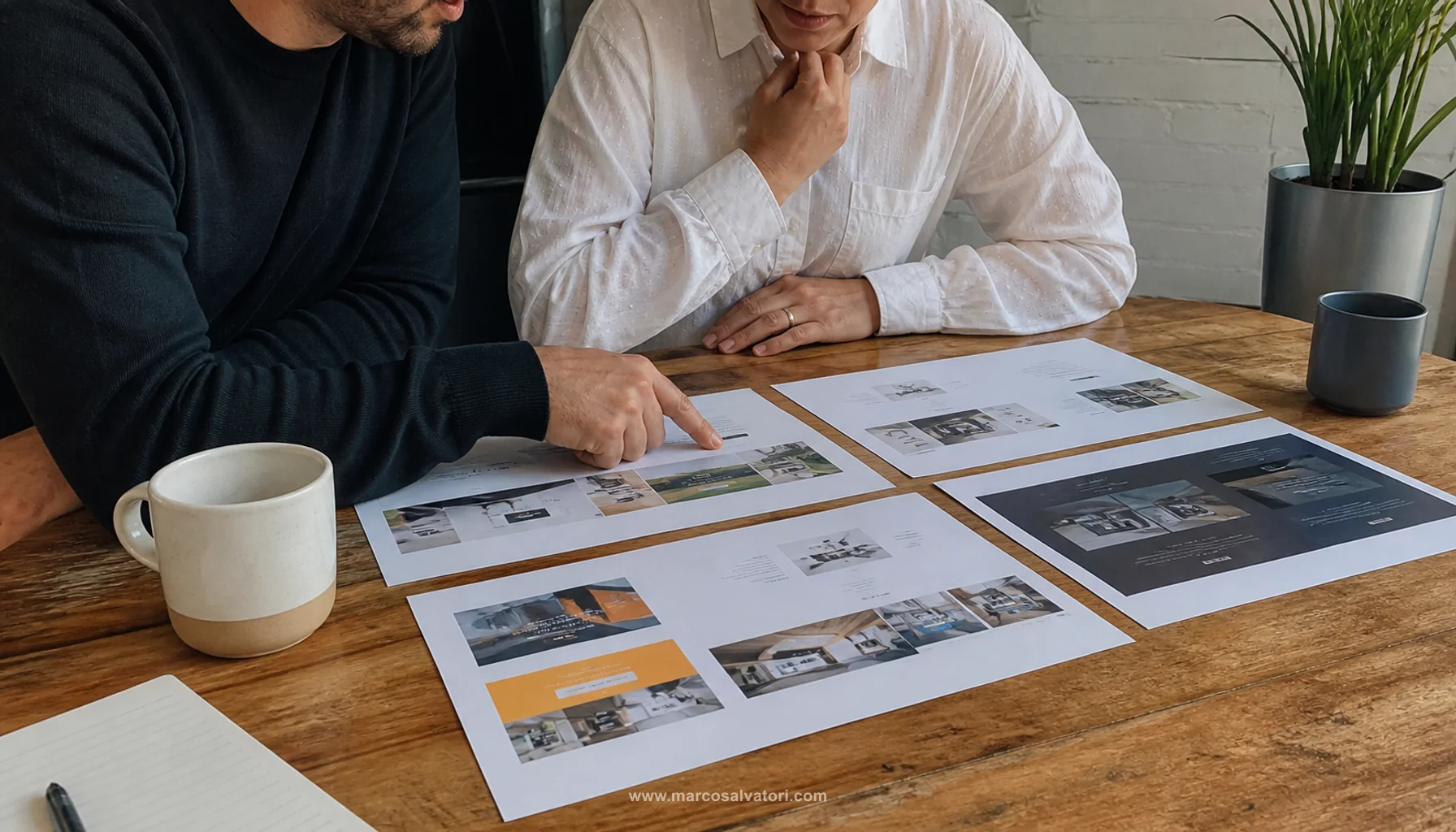


Improving User Experience
Responsive Design improves the user experience by automatically adapting the graphical interface to any device, from desktop to mobile devices. It also allows information to be displayed quickly without the need to resize or scroll the web page. This makes navigation easier, minimizes loading times, and increases user satisfaction.
Search Engine Optimization
Responsive Design is a search engine optimization (SEO) strategy. SEO is an online marketing technique that aims to improve a website's visibility in search engine results. Responsive Design helps optimize a website's search engine ranking by allowing a single version of the site to be viewed on any device. This means there is no need to create a separate version for each device, reducing the effort required for website optimization.
Saving Time and Money
Another advantage of Responsive Design is that it saves time and money. Since a single version of the website can be created, there is no need to build separate versions for each device, saving time and resources that would otherwise be spent on multiple versions. Moreover, because Responsive Design automatically adapts to any device, there is no need to develop different versions, resulting in even greater time and cost savings.