

1. Setting Goals
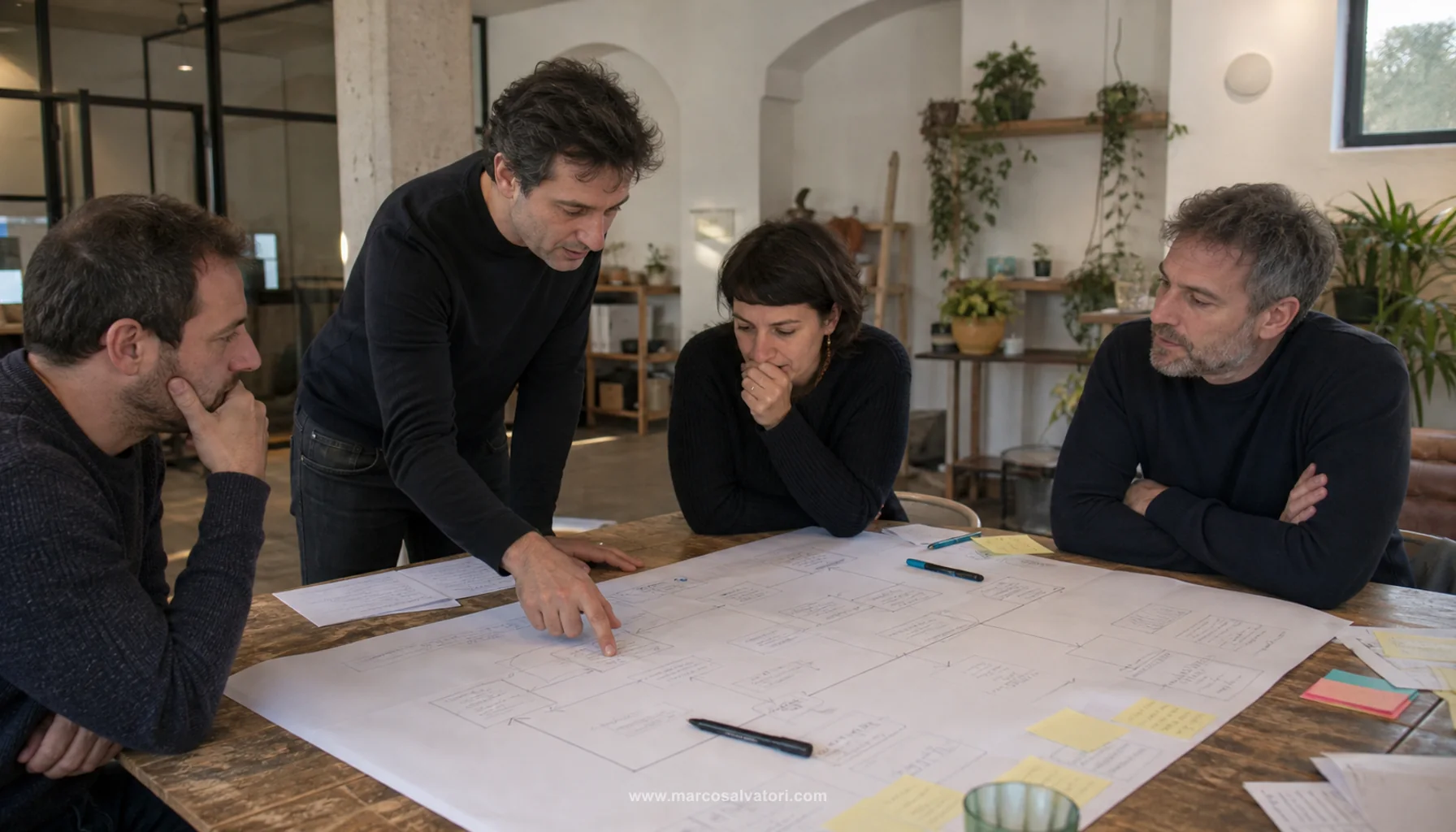
To create a functional design, it is important to define the goals you want to achieve. Consideration should be given to the end user and his/her needs, the technical capabilities of the project, and the turnaround times.delivery. Once you have defined your goals, you can start planning the design.
2. Choosing a Color Palette
Once the objectives have been defined, it is possible to choose a color palette that is in line with the theme of the project. The choice of colors isimportant because it can affect the user experience. You should choose colors that are able to attract attention and that are able to reinforce the message you want to convey.
3. Creating a Layout
Once you've chosen your color palette, you can begin creating a layout for your project. The layout must be able to organize the information so that it is easily accessible to the user. You should also make sure that the layout is responsive, so that it isaccessible from all devices.
4. Testing the Design
Once you've created your layout, it's important to test the design to make sure it's functional. You should test the design on several devices to ensure that it is easy to use and thatis able to satisfy the user's needs. You should also test the design to ensure that it is accessible to all users.